Defensive Riding Habits That Stop Most Accidents
Every day, Malaysian riders face unpredictable traffic, sudden downpours, and distracted drivers. Mastering defensive riding isn’t just a skill—it’s a survival habit. In this guide, we break down the simple but powerful habits that can stop an accident before it happens.
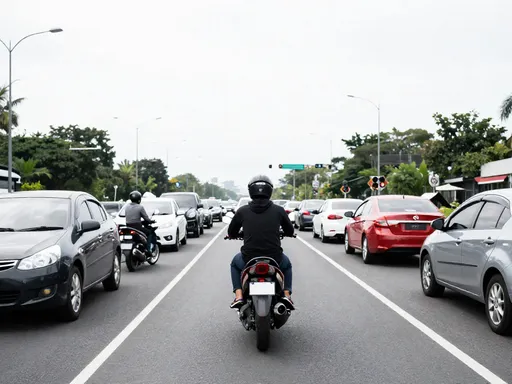
What Is Defensive Riding?
Defensive riding means taking charge of your safety by anticipating trouble before it finds you. Instead of simply reacting to sudden dangers, you actively scan the road, predict what other drivers might do, and position yourself to stay out of harm’s way. It’s about riding with a constant “what-if” mindset—always asking, “What if that car turns without signalling? What if a pedestrian steps out?”—and having an escape route ready.
In Malaysia’s busy urban traffic, hazards pile up fast. Common accident triggers include drivers changing lanes abruptly without checking blind spots, vehicles pulling out from side roads unexpectedly, and motorcyclists weaving through tight gaps. Rain-slicked roads and sudden downpours add another layer of risk. Defensive riding tackles these challenges by making you more visible, predictable, and prepared. It’s not about riding slowly or timidly; it’s about riding smartly, so you can enjoy the journey while cutting your chances of becoming a statistic.
Habit 1: Constant Scanning and Situational Awareness
Effective scanning begins with mentally dividing the road into four key zones: the area directly ahead, your left and right sides, what is behind you, and the blind spots on both flanks. Check your mirrors every 5 to 8 seconds and turn your head for a quick shoulder check before any lane change or turn – this simple rhythm keeps you aware of vehicles entering or lurking in spaces your mirrors miss.
In Malaysian riding conditions, constant scanning means staying alert to everyday hazards: parked cars may fling open a door without warning, pedestrians can step off the curb unpredictably, and the road surface itself hides risks like potholes, loose gravel, or sand washed across a junction. Watch for drivers who change lanes abruptly or drift, especially near intersections and housing areas.
Rain or heavy traffic demand a sharper scan cycle. In wet weather, slow down and widen your focus to spot deeper puddles, slippery metal grates, and reduced visibility caused by spray from other vehicles. During bumper-to-bumper crawls, cut your mirror-check interval to 3–4 seconds and keep your eyes moving: monitor gaps where bikes might filter, sudden braking waves, and pedestrians weaving between stationary cars. The goal is not to stare at one point but to let your gaze flow continuously, giving yourself the precious extra seconds needed to react smoothly.
Habit 2: Always Keep a Safety Buffer
Creating a safety buffer around your bike is one of the most effective ways to avoid collisions. This means maintaining enough following distance, positioning yourself wisely in the lane, and always having an escape route ready.
Follow the 2‑second rule. In normal dry conditions, pick a fixed point on the road ahead and count two full seconds after the vehicle in front passes it. If you reach that point before you finish counting, you’re too close. When rain, wet roads, or reduced visibility come into play—common in Malaysian weather—extend the gap to at least four seconds. The faster you’re traveling, the more space you need, because braking distances increase sharply with speed. On roads with loose gravel or uneven surfaces, add even more time.
Lane positioning is your shield. Avoid hovering in car blind spots, especially alongside the rear quarter of a vehicle where the driver can’t see you. In stop‑and‑go traffic, stay far enough back to see the vehicle’s side mirrors—if you can’t see the driver’s face, they likely can’t see you. When lanes are tight, riding closer to the centre line can make you more visible, but be mindful of oncoming traffic and crosswinds. In urban areas, give parked cars a wide berth; a suddenly opened door can cause a catastrophic collision, so keep at least a metre away whenever possible.
Always have an escape path. Scan ahead and identify an open lane or a clear shoulder that you can swerve into if the car in front brakes hard or a hazard appears. Leave yourself enough lateral space—avoid riding directly between two vehicles, and don’t box yourself in next to barriers or kerbs. Practise mentally rehearsing “what if” scenarios: if the car ahead stops, where will I go? If the lorry beside me drifts over, do I have room to move? A safety buffer isn’t idle space; it’s your time and room to react, and it often makes the difference between a close call and a crash.
Habit 3: Anticipate Other Road Users’ Mistakes
One of the most effective defensive riding skills is learning to predict what other road users might do—before they do it. On Malaysian roads, where traffic can be unpredictable, anticipating mistakes can give you those crucial extra seconds to react safely.
Read a vehicle’s “body language”
A car’s movements often signal its next action long before the driver commits. Watch for subtle cues: a front wheel beginning to turn, even if no signal is on; a driver’s head turning to check a blind spot; or a slight drift toward your lane. If you see a wheel angling or the car inching sideways, ease off the throttle and prepare to brake. Never assume a turn signal guarantees a turn—many drivers signal late, change their minds, or leave signals on accidentally.
Expect trouble at intersections
Intersections are hotspots for collisions, especially when cars turn across your path. Drivers often misjudge a motorcycle’s speed or simply don’t see you. When approaching any junction, even if you have the right of way, ask yourself: What if that car turning right doesn’t yield? Slow down slightly, flash your high beam once during the day, and position yourself where you’re most visible. Make eye contact with the driver if possible; if they aren’t looking your way, assume they haven’t spotted you.
Watch for sudden stops from buses, taxis and e-hailing vehicles
Public transport and ride-hailing drivers tend to brake abruptly to pick up or drop off passengers. If you see a bus pulling to the side or a Grab car with its hazard lights on, allow extra space and be ready to stop. Never tailgate these vehicles, and watch for passengers who might dash across the road after alighting.
Slow down near schools, markets and residential areas
Pedestrians can step out without warning, especially children, and animals like cats or chickens often wander onto the road in kampung areas. Near schools during peak hours and at lively pasar malam, cover your brakes and reduce speed to 30 km/h or less. Scan parked cars for shadows or feet underneath—someone might open a door or a child might run out. In quieter neighbourhoods, keep an eye out for stray animals and give them a wide berth.
By constantly asking “what if?” and looking for these clues, you turn surprise hazards into expected events. That mental readiness is what stops most accidents before they happen.
Habit 4: Master Effective Braking and Evasive Moves
Effective braking is your first line of defense when a hazard appears suddenly. Many riders—especially those on scooters—instinctively grab a handful of front brake, which can lock the wheel and cause a fall. Instead, develop the habit of progressive braking: squeeze the lever smoothly and progressively, as if you’re slowly pressing an orange to extract juice without crushing it. Combine this with gentle, steady pressure on the rear brake (usually the left lever on most scooters) to settle the chassis and shorten your stopping distance. The front brake provides the majority of your stopping power, but using both together in a controlled manner prevents skidding and keeps you stable.
To make this instinctive, find a safe, empty area—like a supermarket car park after hours or a quiet residential street—and practice emergency stops. Set a visual marker (a cone, a chalk line, or even a discarded cardboard box) and accelerate to about 30–40 km/h. At the marker, apply both brakes exactly as described: progressive squeeze on the front, steady press on the rear, while keeping your head up and eyes forward. Do this repeatedly until your body reacts without thought. You’ll be amazed how much faster you can stop while staying in full control.
Braking isn’t always the answer, though. Sometimes you need to swerve around a pothole, a stray animal, or a suddenly opened car door. Here, push-steering is your best friend. To swerve right, push gently on the right handlebar—counterintuitive, but it makes the bike lean and turn right. Push left to go left. Keep your eyes locked on the escape path, not the obstacle, and avoid jerking the bars. Practice this in your safe area: ride in a straight line at 20–30 km/h, then quickly push-steer to one side and immediately straighten up. With repetition, it becomes a smooth, lifesaving reflex.
Finally, know how your motorcycle’s braking system behaves. If your bike has Anti-lock Braking System (ABS), you can apply full braking force without fear of wheel lock-up—the system will pulse the brakes for you. Practice by intentionally triggering the ABS in a controlled environment so you’re familiar with the buzzing sensation in the lever or pedal. On a non-ABS bike, you must learn threshold braking: apply maximum pressure just before the wheel locks. This takes practice; find the limit in a safe space and train your hand to feel that edge. Whether you ride a modern scooter or an older kapcai, spend time understanding your brakes—it’s an investment that pays off every time you ride.
Habit 5: Ride to Conditions, Not the Speed Limit
A posted speed limit tells you the maximum legal speed under ideal conditions—but on Malaysian roads, ideal is rare. Defensive riders constantly adjust their pace to match what’s happening around them. Rain, loose surfaces, darkness, and heavy traffic all demand that you slow down well below the limit.
In the rain, the first few minutes are the slickest as oil and grime float to the surface. Treat every wet corner with caution and give yourself at least double the following distance. At highway speeds, standing water can lift your tyres and cause hydroplaning. If the bike starts to skim, ease off the throttle gently and avoid sudden steering inputs—don’t jam the brakes.
Potholes, gravel patches, and construction debris are everyday hazards on Malaysian roads. When you can’t avoid them, straighten up, slow as much as possible beforehand, and ride through with a relaxed grip. In stop‑start traffic through road‑work zones, keep a generous buffer and watch for stray cones or steel plates that become treacherously slippery in the wet.
Night riding cuts your visibility drastically, and it hides the potholes, parked cars, and unlit cyclists that are common even on trunk roads. Reduce your speed so your stopping distance stays well inside the reach of your headlight—on low beam, that might mean crawling below the speed limit. Use high beam whenever you won’t blind others, and keep your visor and mirrors clean.
Monsoon season brings downpours that can overwhelm drainage in minutes. When visibility drops to a few metres or the road begins to flood, pull over at a safe stopping point—a petrol station or rest area—and wait it out. It’s better to arrive late than to push on through deep water and risk stalling or being swept off course. Winding B‑roads, common in the hills around genting or fraser’s, become especially slick with mud and fallen leaves; ride in a higher gear to smooth out throttle response and avoid sudden weight shifts.
Riding to conditions isn’t about being timid—it’s about reading the road and adapting before a situation turns critical. Your bike, your tyres, and your reflexes all perform best when you give them a little extra margin.
Habit 6: Be Visible and Predictable
Being seen and clearly showing your next move can prevent a large number of accidents, especially in busy Malaysian traffic. Start by wearing gear that stands out – a brightly coloured helmet, a reflective jacket, or even adding reflective stickers to your scooter or bike. These small touches make a huge difference during dawn, dusk, or heavy rain.
Always ride with your headlight on, even in broad daylight. It’s a simple habit that makes you more noticeable to cars entering from side streets or waiting at junctions. In fact, many modern bikes have daytime running lights, but if yours doesn’t, just flick the switch.
Signal your turns and lane changes early, at least three seconds before moving. Avoid sudden weaving between lanes – maintain a steady path so drivers can predict where you’re heading. When approaching intersections, try to make eye contact with drivers waiting to turn. If they’re looking right at you, it’s a good sign they’ve seen you. If not, be ready with your brakes and horn.
FAQ
What is the most important defensive riding skill for beginners?
For beginners, situational awareness is most important—constantly scanning for hazards, anticipating other road users' actions, and maintaining a safety buffer. In Malaysia's mixed traffic, this means staying alert at junctions, watching for sudden lane changes, and keeping a safe following distance to react calmly.
How can I avoid accidents in heavy Malaysian traffic?
In heavy traffic, position your bike to be seen, avoid blind spots, and use your horn and lights judiciously to signal presence. Keep a steady pace, filter lanes only where legal and safe, and always have an escape route in mind to move out of danger if traffic stops abruptly.
Does defensive riding really prevent most accidents?
Defensive riding dramatically reduces accident risk by helping riders anticipate and avoid hazards, but it cannot eliminate all accidents caused by unforeseen events. However, by staying proactive and cautious, most common collisions like rear-enders or side-swipes can be prevented in everyday riding.
How should I adapt defensive riding for rainy weather?
In rainy weather, reduce speed and increase following distance to account for reduced tire grip and longer braking distances. Use smooth throttle, brake, and steering inputs; wear high-visibility rain gear; and avoid riding through deep puddles or over painted road markings that become slippery.
How often should I practice emergency braking?
Practice emergency braking at least once a month in a safe area, like an empty parking lot, to keep the reflex sharp. Do it more often if you ride daily in challenging traffic or after changing tires or brake pads, so you stay confident in your stopping ability.
What gear improves visibility for daily commuters?
For daily commuting, a bright, reflective helmet, a high-visibility vest or jacket with reflective strips, and clear or amber-tinted visor improve conspicuity. Adding reflective stickers on your bike’s sides and back further helps other motorists spot you, especially during dawn, dusk, or rainy weather.