Small vs Bigger-Engine Scooters for City Commuting
You're ready to beat the traffic and cut commuting costs with a scooter, but one big question stalls you: should you go small and nimble or step up to a bigger engine? This guide breaks down the real-world differences for Malaysian city riders, from licence requirements to fuel bills, so you can decide with confidence.
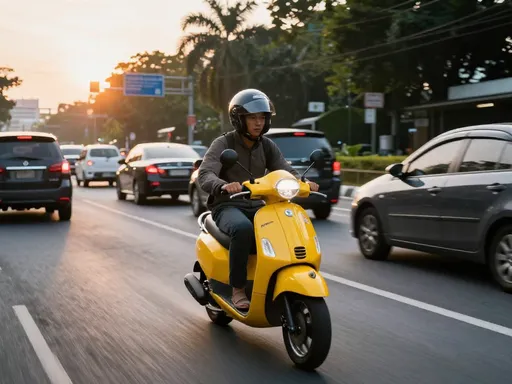
What Counts as ‘Small’ vs ‘Bigger-Engine’ in Malaysia?
In Malaysia, the distinction between small and bigger-engine scooters often comes down to both licence requirements and everyday usability.
For most riders, “small” refers to scooters with engine capacities between 110cc and 150cc. These are covered by a standard B2 motorcycle licence, which allows you to ride bikes up to 250cc. Popular models in this category include the Honda BeAT (110cc) and the Yamaha NVX (155cc). They’re lightweight, nimble in traffic, and very fuel-efficient—ideal for short urban hops.
“Bigger-engine” scooters typically start from 151cc and can go up to 300cc or beyond. However, licence requirements split at the 250cc mark. Scooters from 151cc to 250cc (like the Yamaha XMAX 250) can still be ridden with a B2 licence. Once you cross into 251cc and above—common in models like the Yamaha XMAX 300 or Honda Forza 300—you’ll need a B Full licence. This extra licensing step is worth keeping in mind if you’re considering upgrading.
Beyond licences, engine size also affects running costs and riding privileges. Road tax and insurance premiums generally increase with engine capacity. More importantly, expressway access in Malaysia is restricted for motorcycles of 125cc and below. So, while a 110cc scooter can’t legally use the highway, a 150cc or larger model can. This makes bigger-engine scooters a more versatile choice if your commute involves expressways.
Key Factors That Matter for City Commuting
When choosing between a small or bigger-engine scooter for your daily ride through Malaysian streets, it helps to first focus on what really counts in our traffic. Narrow lanes and stop-start jams demand a machine you can flick through gaps without hesitation, while sharp handling at low speeds saves you from constantly putting a foot down. Fuel consumption is another daily reality—smaller engines often sip less, but the cost per kilometer also depends on how you ride and maintain the bike. Beyond the pump, think about upfront price and long-term maintenance: simpler, smaller-capacity models usually come with cheaper parts and routine servicing, which adds up over months of commuting.
Comfort matters more the longer your route. If you regularly carry a pillion or ride across town, a larger scooter might offer better suspension and seat cushioning, soaking up potholes and uneven surfaces. Storage is a practical deal-breaker—check whether the under-seat bin fits your helmet and a few groceries, or if you’ll need a top box. Finally, our tropical climate throws in heat spikes and sudden downpours. A scooter that shields your legs from engine heat, provides a decent windscreen, and lets you quickly stow a raincoat without getting drenched can turn a miserable commute into a bearable one. Weighing these factors now will make the side-by-side comparison clearer as we go deeper.
Small-Engine Scooters: The City Ninjas
When it comes to slicing through gridlocked traffic and squeezing into that last parking spot, sub-150cc scooters are in a league of their own. Their light weight and slim profile make lane filtering almost effortless—just a gentle twist of the throttle and you’re through, while the cars stay stuck. Parking? You’ll never circle the block again; even a gap between two kapchai is often enough.
Running costs are where these little machines truly shine. Fuel economy of 50–60 km/l is common, meaning your monthly petrol bill stays comfortably below RM50 even with daily use. Road tax is a minimal RM2 to RM30 per year, and insurance premiums are friendly to any budget—perfect if you’re a student or just looking to save ringgit. Plus, you only need a B2 licence, so new riders can hop on immediately after passing the practical test.
Of course, these city ninjas have their trade-offs. Top speeds hover around 90–110 km/h, which is fine for short stretches of highway but can feel underwhelming on faster roads like the MEX or LATAR. Crosswinds and lorry drafts buffet a featherweight scooter more noticeably, and you’ll wish for a bit more grunt if you’re climbing steep ramps with a pillion. The small seat and modest engine mean carrying a passenger is best saved for quick, flat trips.
For the pure urban commuter—stuck in PJ’s morning crawl or hopping between shopfronts in George Town—this is all you need. Short trips, low costs, and the ability to park almost anywhere make sub-150cc scooters the ultimate city tool.
Bigger-Engine Scooters: The Urban Cruisers
Stepping up to a bigger scooter—think 151cc to over 300cc—transforms the daily commute. The extra power is immediately noticeable, especially when you’re climbing steep flyovers like those around KL Sentral or carrying a pillion. These urban cruisers maintain highway speeds comfortably, so if your route includes the Federal Highway or a quick blast on the MEX, you won’t feel like you’re holding up traffic.
Ride comfort gets a serious upgrade. Most larger scooters come with wider seats, more relaxed ergonomics, and a proper windshield that deflects windblast away from your chest. Over potholed city streets, the longer wheelbase and better suspension soak up bumps that would jolt a smaller scooter. Underseat storage is another win—fitting a full-face helmet plus a raincoat or groceries is easy, so you can skip the top box unless you really need it.
Of course, these benefits come with trade-offs. Fuel consumption typically drops to around 25–35 km/l, so you’ll visit the pump more often than on a 150cc scooter. The extra weight—usually 110 kg and above—makes the bike feel less flickable when you’re filtering through gridlocked traffic. Maneuvering into tight parking spots or pushing the scooter around by hand can be a workout.
Ownership costs rise too. Road tax for a 151–200cc scooter is RM50, while 201–250cc sets you back RM100, and anything above 250cc climbs to RM200–RM250. Insurance premiums are noticeably higher, and you’ll need at least a B2 licence for engines up to 250cc; beyond that, a full B licence is mandatory. If you’re willing to trade some nimbleness for power and comfort, however, a bigger-engined scooter makes the city feel smaller and the ride more rewarding.
Head-to-Head Comparison Checklist
Quickly spot the differences that matter for your daily ride. Here’s a scannable side-by-side look at how small-engine scooters stack up against bigger-engine models for city commuting in Malaysia.
| Feature | Small-Engine Scooters (50–150 cc) | Bigger-Engine Scooters (200 cc and above) |
|---|---|---|
| Price Range | RM4,000 – RM7,000 | RM8,000 – RM25,000+ |
| Licence Class | B2 (or B full if 150 cc) | B full (or B2 for some 200 cc models) |
| Fuel Efficiency | ~150 km per RM5 | ~100 km per RM5 |
| Maneuverability (1–5) | 5 (nimble in tight gaps) | 3 (stable but wider turning circle) |
| Comfort for 1‑hour Ride (1–5) | 3 (upright, but less wind protection) | 4 (better seat, less buzzy) |
| Parking Ease | Wins (slim body, light weight) | Acceptable (bulkier, needs more space) |
| Rain Protection | Minimal fairing, legs exposed | Better fairing, often with a taller windscreen |
| Resale Value | Quick turnover, steady demand | Holds value well for well‑maintained units, but slower resale |
Use this checklist to match your priorities. If you need a budget-friendly, flickable companion for narrow city streets, the small-engine scooter shines. If your commute includes longer stretches or you want extra comfort and weather protection, a bigger-engine model is worth the stretch.
How to Choose: Ask Yourself These Questions
Making the final call comes down to your daily routine and preferences. Spend a few minutes with these honest questions:
- Where do you ride? If your commute stays strictly within city limits, a small scooter’s agility is hard to beat. But if you occasionally hop on highways or link roads with faster traffic, a bigger engine provides the extra reserve you’ll appreciate.
- Do you often carry a passenger? Riding two-up adds weight and changes handling. A larger scooter generally copes better, keeping things comfortable and stable for both of you.
- What’s your budget? Smaller engines sip fuel and cost less to maintain. Bigger scooters may use more petrol and require pricier parts, so be honest about your monthly running costs.
- Which licence do you hold—or plan to get? In Malaysia, a B2 licence limits you to bikes under 250cc, while a B Full opens up everything. Make sure your choice aligns with your licence status or upgrade path.
- How much do you care about parking ease? Squeezing into tight curbside spots is second nature for a small scooter. A maxi-scooter can feel bulky and demands more room.
- Have you tested them? Nothing replaces a quick test ride. Visit a showroom or join a friend for a spin on both classes. Feel the difference in acceleration, handling, and how naturally each fits your body.
Jot down your answers—your ideal city companion will quickly become clear.
FAQ
Do I need a B full licence for a 250cc scooter in Malaysia?
Yes, a B Full licence is required for any motorcycle with an engine capacity of 250cc and above, so a 250cc scooter falls under this category.
What is cheaper to maintain: a small or bigger-engine scooter?
Smaller-engine scooters generally cost less to maintain due to simpler mechanicals, smaller consumables like tyres and oil, and typically lower parts prices. However, factors like brand and riding habits can influence long-term expenses.
Can a 110cc scooter go on the highway legally?
No, Malaysian traffic regulations restrict expressway use to motorcycles with engine capacities of 250cc and above, so a 110cc scooter is not permitted on highways.
Which scooter is easier to handle in heavy traffic?
Smaller scooters (110cc–150cc) are easier to handle in heavy traffic because they are lighter, more agile, and have a narrower profile for lane splitting, making them ideal for congested city streets.
How much does road tax cost for a 150cc vs 300cc scooter?
In Malaysia, the annual road tax for a 150cc scooter is RM30, while a 300cc scooter costs RM150, based on the graduated fee structure tied to engine capacity.
Is a bigger scooter more stable in the rain?
Bigger scooters often feel more stable in wet conditions thanks to their increased weight, wider tyres, and advanced suspension, but proper riding technique and good tyre tread remain essential for safety.